Chandra Grahan 2025 Date and Time: When is the lunar eclipse, Sutak Timings, and Recommended Precautions?
Published
Sep 4, 2025
Category
Astrology
Author
Temple Admin
Article
Read the full story and spiritual guidance below.
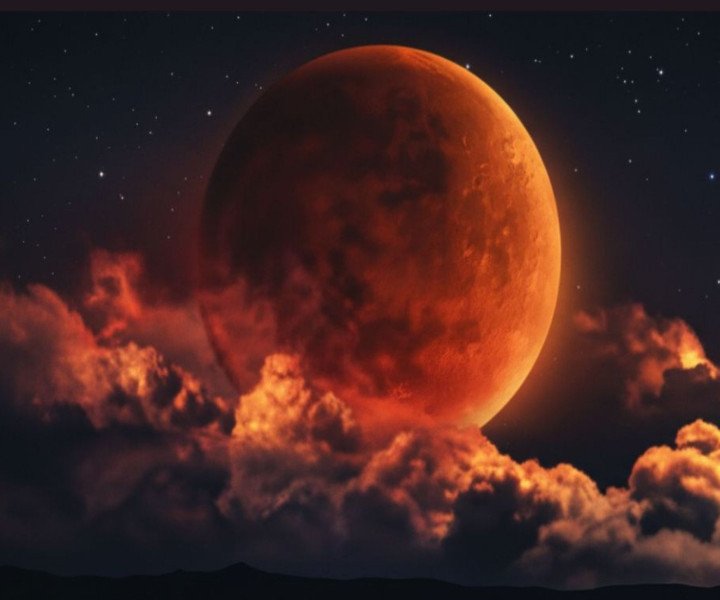
India will witness the second and final lunar eclipse of 2025—known as Chandra Grahan—on September 7, 2025. This celestial spectacle will be visible across the entire nation. Beyond its astronomical wonder, a lunar eclipse carries deep cultural and spiritual significance in Hindu traditions, especially when it falls during sacred periods such as Pitru Paksha.
What is Chandra Grahan?
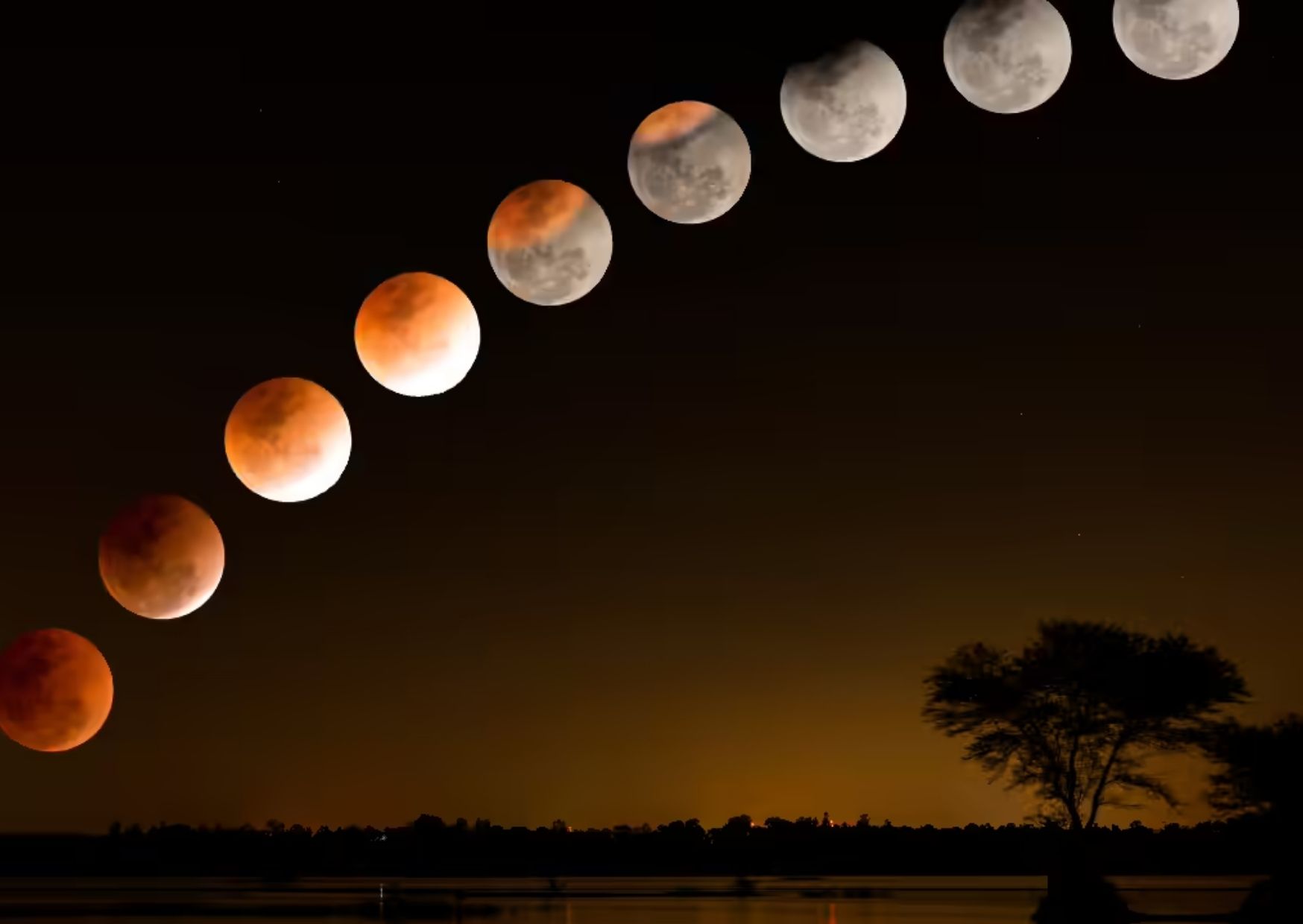
A lunar eclipse, or Chandra Grahan, takes place when the Earth comes directly between the Sun and the Moon, casting its shadow on the Moon. In this alignment, the Sun, Earth, and Moon form a straight line, and the Earth blocks sunlight from fully reaching the Moon’s surface. Depending on how much sunlight is obstructed, the eclipse may appear partial or total.
Chandra Grahan 2025: Spiritual Significance
In the sacred texts of Sanatan Dharma, eclipses are regarded as powerful cosmic events. According to the Puranas, a lunar eclipse occurs when the shadow planets Rahu and Ketu come into alignment with the Moon, veiling its divine radiance.
The Moon (Chandra) in Vedic astrology is the significator of mind, emotions, and stability. When overshadowed by Rahu or Ketu, it is believed to create disturbances in mental peace, emotional balance, and physical health. Hence, Grahan is considered a time of both caution and opportunity—a moment when spiritual practices carry manifold benefits.
Puranic Belief Behind Chandra Grahan
The story of Rahu and Ketu finds mention in the Samudra Manthan (Churning of the Ocean) described in the Puranas. When the nectar of immortality (amrit) was obtained, Rahu disguised himself to drink it. But Lord Vishnu, realizing this, severed his head with the Sudarshan Chakra. Since the nectar had touched him, Rahu and Ketu became immortal shadow planets. From that time, they are believed to periodically swallow the Sun and the Moon, causing eclipses.
Chandra Grahan 2025: Date & Sutak Timings in India
Eclipse Duration: 8:58 PM – 1:25 AM
Total Eclipse Phase: 11:01 PM – 12:23 AM
Sutak Kaal Begins: 12:57 PM (September 7, 2025)
What is Sutak Kaal?
In Sanatan Dharma, Sutak Kaal is the inauspicious period before an eclipse, when worldly activities are paused and focus is turned towards the Divine. During this sacred time:
Cooking, eating, or starting new ventures is avoided.
Temples remain closed, as the period is considered spiritually sensitive.
Scriptures recommend prayer, meditation, and chanting of mantras to purify the mind and soul.
Spiritual Remedies During Chandra Grahan
🔹 Mantra Chanting
Recite the Maha Mrityunjaya Mantra or Shiva Stotra for protection.
Chant the Vishnu Sahasranama or recite the Gayatri Mantra during the eclipse for purification.
The Chandra (Moon) mantra – Om Chandraya Namah – is also recommended.
🔹 Sacred Practices
Perform dhyana (meditation) and japa during the eclipse for multiplied spiritual benefits.
Maintain silence and engage in introspection.
Pregnant women are advised to remain indoors, avoid using sharp objects, and chant mantras for protection.
🔹 Post-Grahan Rituals
Take a holy bath in a river, pond, or at home after the eclipse.
Offer donations (daan) such as grains, clothes, or food to Brahmins and the needy.
Perform puja to Lord Shiva, Vishnu, or Devi for blessings.
Cleanse the house and purify the altar before resuming normal activities.
Chandra Grahan 2025 & Pitru Paksha Connection
This year’s Chandra Grahan holds special significance, as it coincides with the first day of Pitru Paksha—the sacred fortnight dedicated to honoring one’s ancestors (pitrs). According to Hindu tradition, offering daan (charity) during this time is believed to bring immense blessings from the ancestral realm.
Performing acts of seva such as donating food, clothes, grains, or money in the name of one’s forefathers not only helps uplift their souls but also brings peace, prosperity, and protection to the family. The eclipse, combined with Pitru Paksha, makes such offerings even more powerful and auspicious, turning this celestial event into a moment of profound spiritual importance.
The period of Chandra Grahan is seen not as a time of fear, but as an opportunity for inner cleansing and devotion. By following the Sutak rules with sincerity, one can transform this celestial event into a path of spiritual upliftment.


0 Comments
No comments have been posted yet.