Dussehra, also known as Vijayadashami, is one of the most significant and widely celebrated festivals in India. Marking the victory of good over evil, it falls on the Dashami Tithi of Shukla Paksha in the Ashwin month of the Vedic calendar.
Shravana Nakshatra Begins: 09:13 AM on October 2, 2025
Shravana Nakshatra Ends: 09:34 AM on October 3, 2025
Historical & Religious Significance
Vijayadashami is celebrated to commemorate two major mythological events:
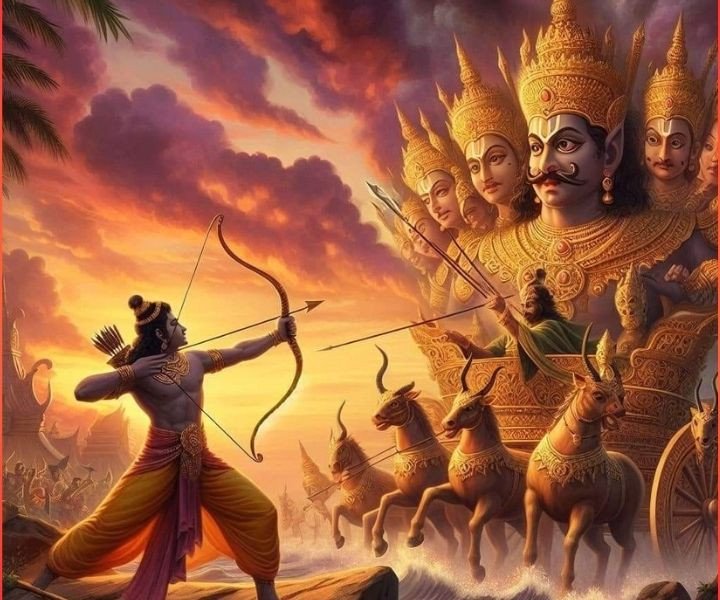
Lord Shri Ram's Victory Over Ravana - According to the Ramayana, Lord Shri Ram defeated the demon king Ravana on this day, symbolizing the victory of truth and righteousness. As part of the tradition, large effigies of Ravana, Kumbhakarna, and Meghnad are burnt across India to mark the end of evil.
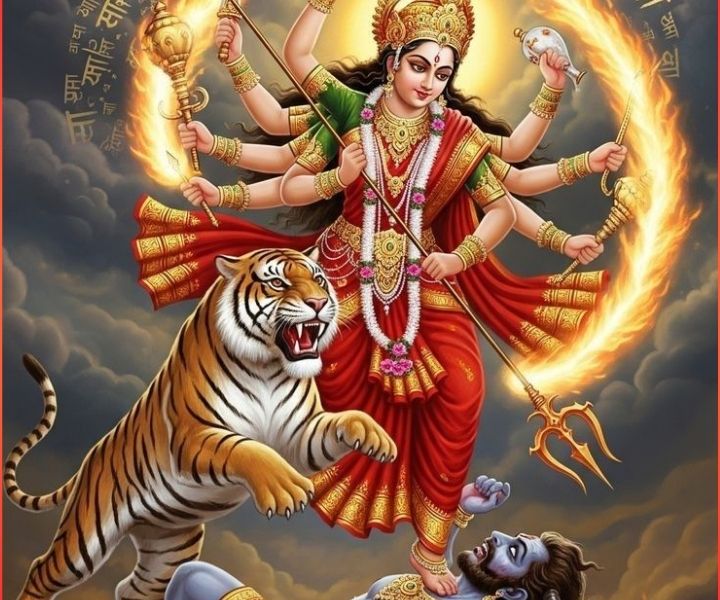
Durga’s Triumph Over Mahishasura - In another important legend, Goddess Durga defeated the buffalo demon Mahishasura after nine days and nights of fierce battle, representing the power of the divine feminine. Vijayadashami celebrates this victory of good over evil, courage, and moral values.
Rituals Observed on Vijayadashami
The day begins with special prayers and rituals in homes and temples.
People burn giant effigies of Ravana, Kumbhakarna, and Meghnad in public grounds, symbolizing the destruction of evil forces.
In Bengal, Aparahna Puja is performed as a significant ritual, where devotees worship the Goddess with offerings.
Processions, cultural performances of Ram Leela, and fairs are organized in many parts of the country.
Why Vijayadashami Holds Immense Spiritual Value
Vijayadashami is a reminder that truth, righteousness, and goodness always prevail over injustice and evil. It inspires individuals to adopt moral values, courage, and selflessness in life.
This Dussehra, embrace the spirit of victory by reflecting on the teachings of Lord Ram and Goddess Durga. Celebrate with devotion, joy, and charitable acts that uplift society.
State-Wise Dussehra (Vijayadashami) Celebrations in India
Uttar Pradesh (Ayodhya & Varanasi)
Known for grand Ramlila performances culminating in Ravana Dahan (effigy burning).
Ayodhya, the birthplace of Lord Ram, is a major pilgrimage site during Dussehra.
West Bengal – Durga Puja & Vijayadashami
Called Vijaya Dashami.
Major celebration with immersion of Goddess Durga’s idols in rivers, grand processions, and cultural festivities.
Maharashtra – Dussehra & Ram Leela
Celebrated as Dasara.
Famous for large-scale Ram Leela performances, effigy burning, and public fairs (melas).
Karnataka – Mysore Dasara
Known as the Mysore Dasara Festival, one of India’s most famous.
Features a royal procession, decorated elephants, cultural programs, and fireworks at Mysore Palace.
Tamil Nadu – Vijayadashami
Celebrated as Vijayadashami.
Special significance in education: children begin their learning (Vidyarambham) on this day.
People worship weapons, tools, and books for success and wisdom.
Punjab – Dussehra
Known simply as Dussehra.
Large fairs, Ramlila performances, and effigy burning of Ravana, Kumbhakarna, and Meghnad.
Bihar – Vijayadashami
Celebrated traditionally with Ramlila performances, community feasts, and effigy burning.
Himachal Pradesh – Dussehra
In places like Kangra and Kullu, the festival involves processions of deities, temple rituals, and fairs.
It is seen as a local New Year celebration in some areas.
Odisha – Vijayadashami
Marked by Ravana Dahan and cultural events.
People observe fasting and visit temples for blessings.
Assam – Durga Puja & Vijayadashami
Celebrated as Vijaya Dashami along with Durga Puja.
Immersion of idols with processions, traditional music, and dances.
Jharkhand – Dussehra
Especially in Ranchi and Hazaribagh, the festival involves Ramlila performances, community fairs, and effigy burning.
Madhya Pradesh – Dussehra
Grand Ramlila performances and fairs in cities like Gwalior and Indore.


0 Comments
No comments have been posted yet.